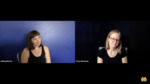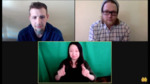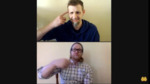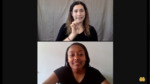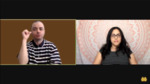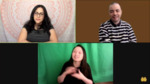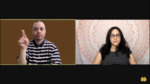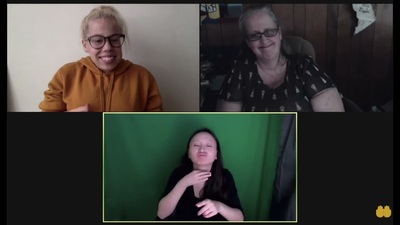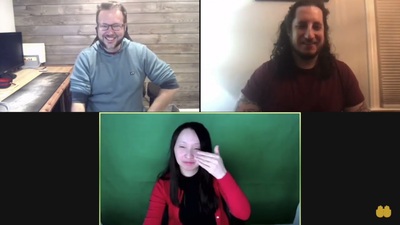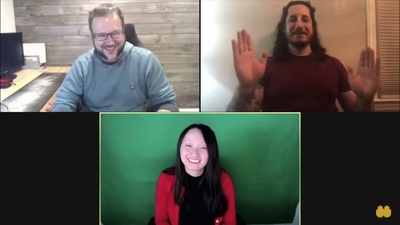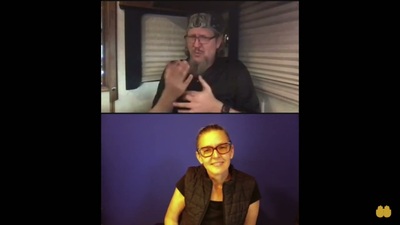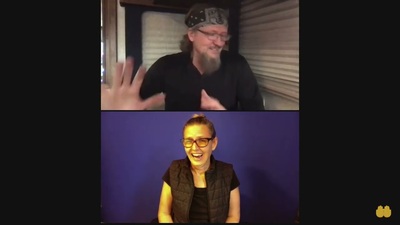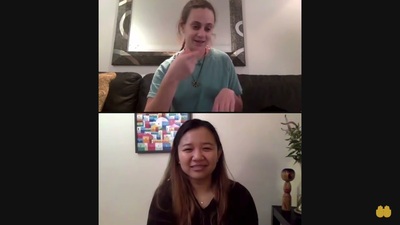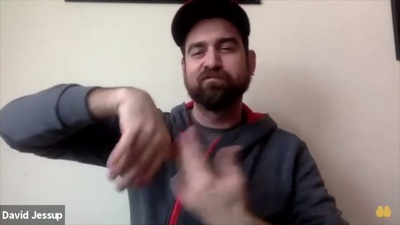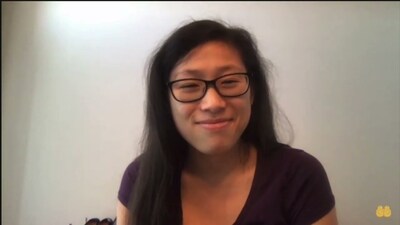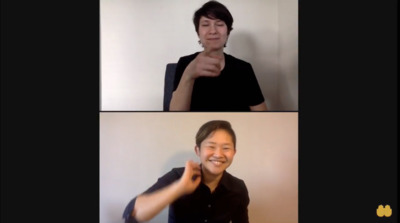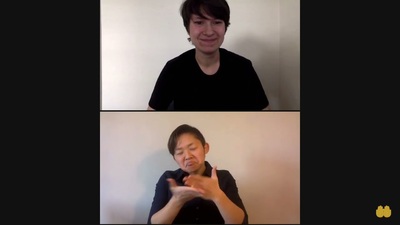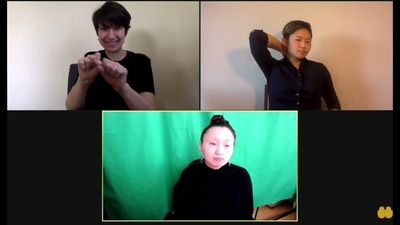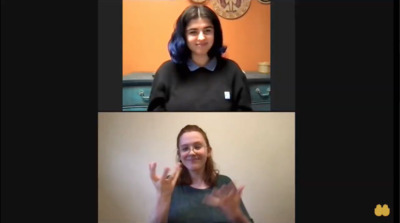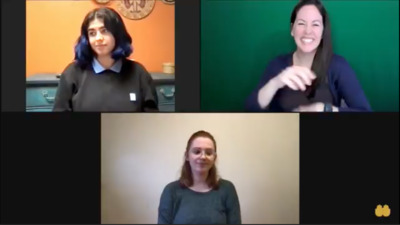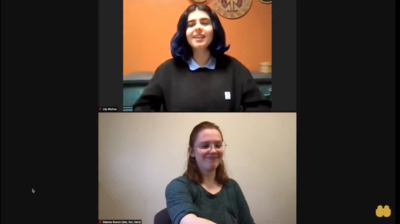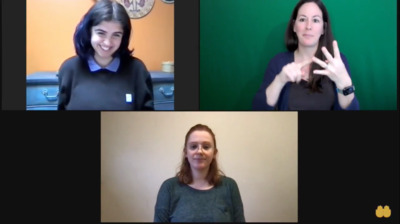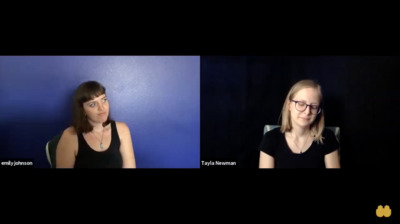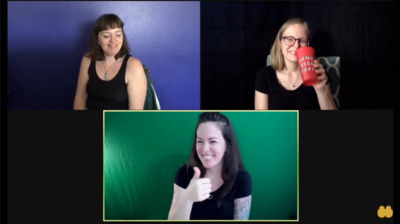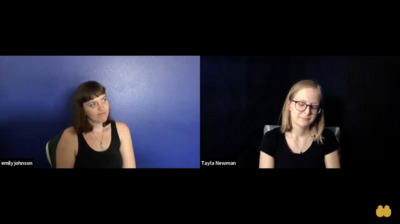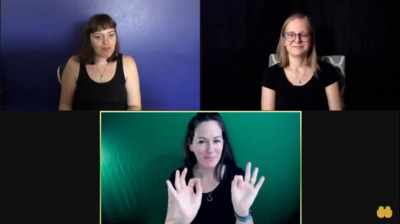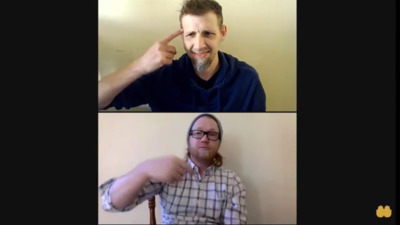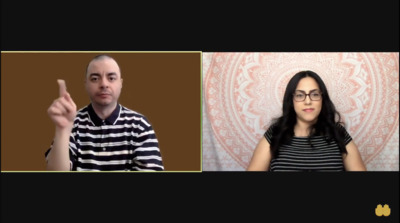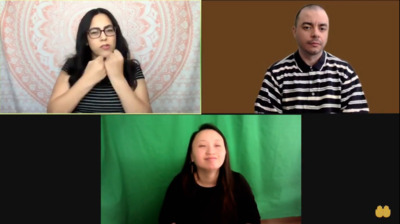
The Motivated Look at Indicating Verbs in ASL (MoLo) Project is a corpus-based open-access collection of naturalistic American Sign Language (ASL) conversations collected to better understand potential interactions or distinctions between uses of ASL verbs—plain, indicating, and depictive—and the discourse circumstances involving motivated space that sanction the use of indicating verbs in ASL. This three-year pilot study (October 2019 to September 2022) was inspired by a British Sign Language (BSL) corpus study on indicating verbs and uses of space (Cormier et al. 2015). Our data collection was conducted remotely through Zoom (due to the Covid-19 pandemic) with ASL signer dyads from heterogeneous backgrounds interviewed by a deaf researcher. Our data consists of signed responses to four tasks. We have 23 sessions with a total of 46 research participants and ~46 hours of video data.
With each video (primary data), you'll find some metadata to give you more context about that video. For example, our filenames may look funny but they're actually quite informative - they follow this format:
YYMMDD_NameOfParticipants_NameOfProjectNumberOfSession_TaskType_#of#_VideoSource For example:
201221_LouiseApplegate_EmilySidansky_MoLo009_S_4_5_Quicktime
YYMMDD = 2 digits for the year, month and day, e.g., 201221 means December 21, 2020. Types of videos include narratives (N), conversations (C), systems prompt (S) and interviews (I). #of# refers to the number of the clip within the session - usually there are 4 or 5 clips within a session. (We used to have 7 or 8 but we re-edited our videos.) Video source refers to whether we relied on the Zoom cloud recording or the screen recording via Quicktime.
We provide a bit of metadata within each video description on YouTube, such as contributor name and visual descriptions including preferred social identity descriptors. We also are working to provide English translations and ID glossing (which uses the ASL Signbank) transcripts for each video. The English translations are available as captions in the video and in our ELAN transcripts (.eafs). The ID glosses, which are sign by sign English labels to make the video machine-readable, are only available in our ELAN transcripts (.eafs). You need to download the ELAN program to open .eafs but you can also right-click and open them as text-only files to read them in their xml format. Please note that our transcripts are still under development. To read more about how we process our data, see this.
The MoLo dataset is part of the Collections of ASL for Research and Documentation (CARD), which serves as both a research philosophy and a resource hub. We center community ownership of data, embrace language variation, and value the diversity and multiplicity of experiences within ASL communities. This project aligns with the philosophies found in the Austin Principles of Data Citation, FAIR, and CARE, with the added emphasis on making this data open in ways our ASL communities prefer. We also acknowledge, respect, and celebrate different language experiences - there is no one right way to use language.
We are so thankful to our participants for trusting us with their stories. As caretakers of these stories, we have a responsibility to care for the data. We ask you to please treat each participant's contribution with respect and care. All of our videos are open access, which means they can be publicly viewed and shared. They are licensed as CC BY-NC-SA 4.0, which means you may share and adapt them, but they may not be used for profit and may only be used with credit to our project.
Gratitude to Steve Saenz for preparing the MoLo dataset for sharing here on IDA 🙌
For more information about MoLo, visit the MoLo website.
Please cite the collection of publicly available videos and transcripts as:
Hochgesang, Julie A. 2024. “Motivated Look at Indicating Verbs in ASL (MoLo) Dataset.” OSF. September 26. doi:10.17605/OSF.IO/VJP6W.
With each video (primary data), you'll find some metadata to give you more context about that video. For example, our filenames may look funny but they're actually quite informative - they follow this format:
YYMMDD_NameOfParticipants_NameOfProjectNumberOfSession_TaskType_#of#_VideoSource For example:
201221_LouiseApplegate_EmilySidansky_MoLo009_S_4_5_Quicktime
YYMMDD = 2 digits for the year, month and day, e.g., 201221 means December 21, 2020. Types of videos include narratives (N), conversations (C), systems prompt (S) and interviews (I). #of# refers to the number of the clip within the session - usually there are 4 or 5 clips within a session. (We used to have 7 or 8 but we re-edited our videos.) Video source refers to whether we relied on the Zoom cloud recording or the screen recording via Quicktime.
We provide a bit of metadata within each video description on YouTube, such as contributor name and visual descriptions including preferred social identity descriptors. We also are working to provide English translations and ID glossing (which uses the ASL Signbank) transcripts for each video. The English translations are available as captions in the video and in our ELAN transcripts (.eafs). The ID glosses, which are sign by sign English labels to make the video machine-readable, are only available in our ELAN transcripts (.eafs). You need to download the ELAN program to open .eafs but you can also right-click and open them as text-only files to read them in their xml format. Please note that our transcripts are still under development. To read more about how we process our data, see this.
The MoLo dataset is part of the Collections of ASL for Research and Documentation (CARD), which serves as both a research philosophy and a resource hub. We center community ownership of data, embrace language variation, and value the diversity and multiplicity of experiences within ASL communities. This project aligns with the philosophies found in the Austin Principles of Data Citation, FAIR, and CARE, with the added emphasis on making this data open in ways our ASL communities prefer. We also acknowledge, respect, and celebrate different language experiences - there is no one right way to use language.
We are so thankful to our participants for trusting us with their stories. As caretakers of these stories, we have a responsibility to care for the data. We ask you to please treat each participant's contribution with respect and care. All of our videos are open access, which means they can be publicly viewed and shared. They are licensed as CC BY-NC-SA 4.0, which means you may share and adapt them, but they may not be used for profit and may only be used with credit to our project.
Gratitude to Steve Saenz for preparing the MoLo dataset for sharing here on IDA 🙌
For more information about MoLo, visit the MoLo website.
Please cite the collection of publicly available videos and transcripts as:
Hochgesang, Julie A. 2024. “Motivated Look at Indicating Verbs in ASL (MoLo) Dataset.” OSF. September 26. doi:10.17605/OSF.IO/VJP6W.
Printing is not supported at the primary Gallery Thumbnail page. Please first navigate to a specific Image before printing.
-
210423_EstelinaKovacs_HannaJohnston-Shaw_MoLo019_I_5_5_QuickTime
Julie A. Hochgesang
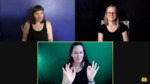
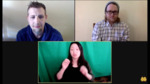
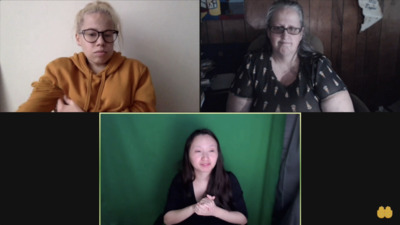
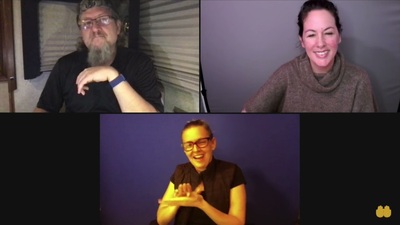
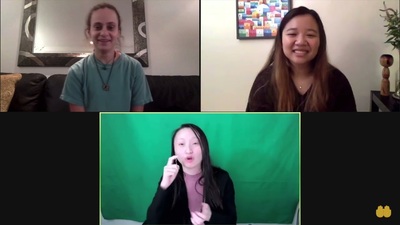
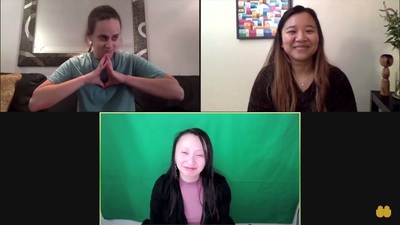
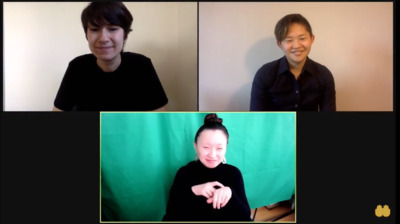
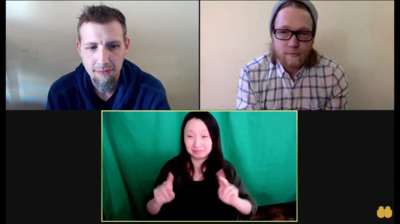
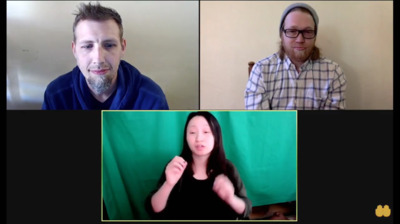
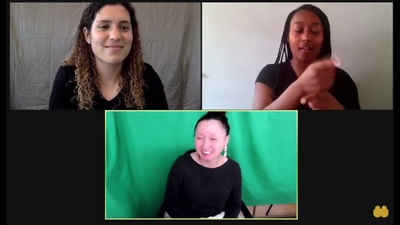
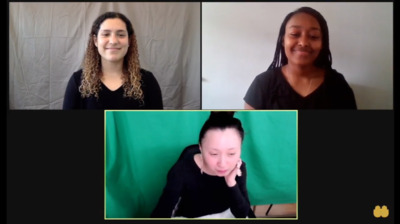
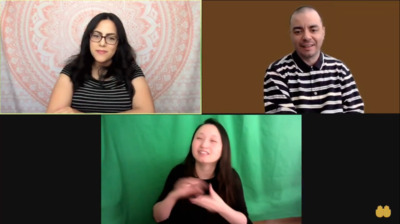
LeeAnn Tang, interviewer (bottom of screen) is asking participants Esetlina Kovacs (top right) and Hanna Johnston Shaw (top left) questions from our language attitudes and awareness interview.
-
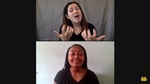
210423_HannaJohnston-Shaw_EstelinaKovacs_MoLo019_N_2_5_QuickTime
Julie A. Hochgesang
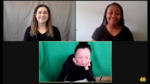
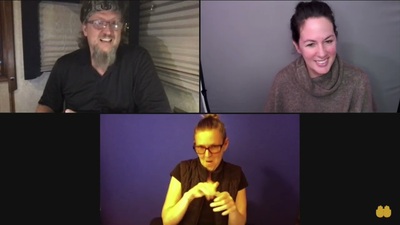
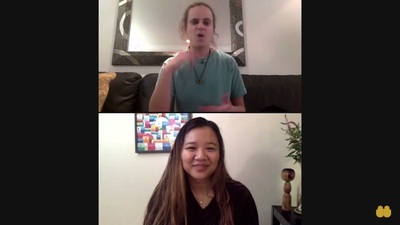
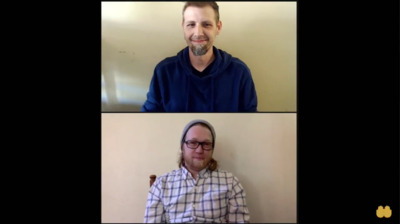
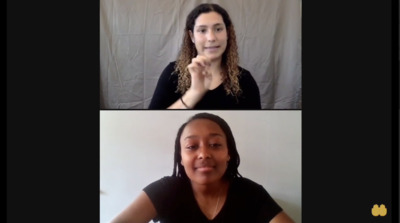
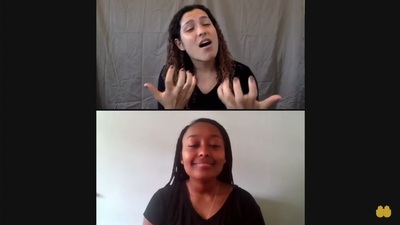
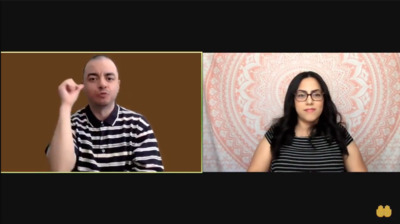
Estelina shares how she got her dog. Hanna shares her driving test experience.